
10 Common Cleaning Problems Every Home Faces
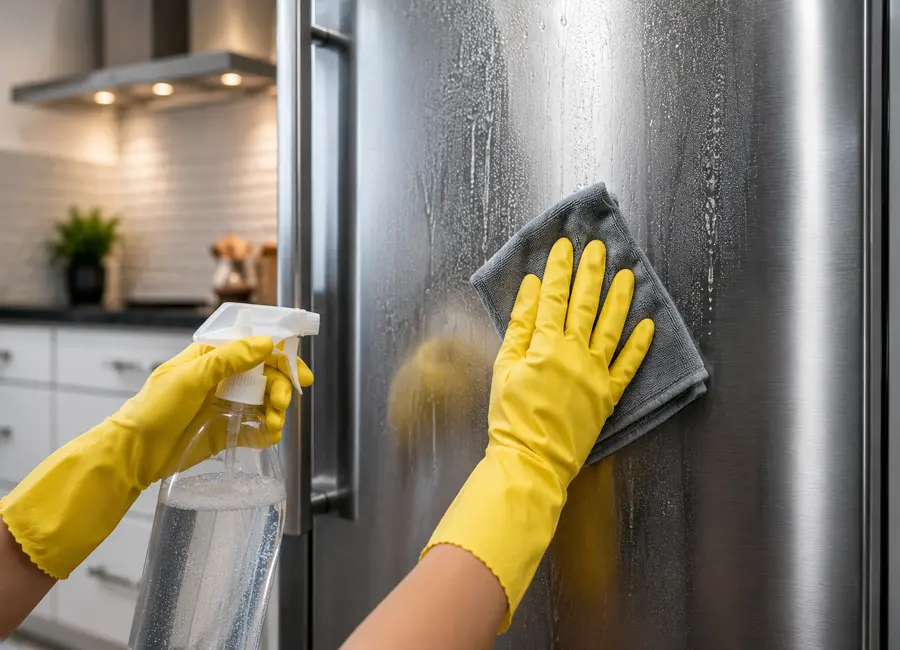
Cleaning Problems: 10 Common Issues Every Home Faces
Out of nowhere, dust piles up near the doorway. How did it get there? Noticing bits stuck along baseboards might make you pause mid-step. A place meant to rest instead traps leftover mess from outside. Even wiping daily won’t stop tiny particles from drifting onto shelves. What slips in when windows open could surprise you. Floors hold traces of footsteps long after they fade. Some spots collect more gunk, though they look untouched. Light reveals what seemed invisible at first glance. Each corner tells a version of the same story.
Clutter sneaks in, little by little, without asking. When life gets loud, space still needs room to stretch. Dust creeps in while coffee cools, unnoticed until it coats every shelf edge. Look sideways at what collects behind habits you barely see. Small steps shift the weight of clutter nobody asked for.
1. The Never-Ending Layer of Dust
That speckled layer? Always back before you know it. Lingers on fan blades, hugs corners near the floor. Wipe once, see it return by afternoon light. Feels like chasing smoke for anyone who likes things clean. Start by sticking to steady routines when cleaning the air. Tiny bits get caught well using strong microfiber cloths. Look up now, and then door edges and shelf corners collect hidden dust. Clear countertops mean fewer things floating around later. Breathing feels lighter each morning when spaces stay bare.
2. Hard Water Stains on Glass
Film appears white on glass once water evaporates. After drying, a pale layer becomes visible where moisture was. Glass holds a milky residue when drops stop moving. Once wetness fades, a faint covering stays behind. Where splashes settle, a ghostlike surface mark remains. Dried droplets leave a chalky trace across the pane. That dull layer hides how fresh the room really is. Minerals like calcium stick around once moisture disappears. Soap alone usually does nothing against these hard, chalky marks. A bit of vinegar could help if you’re facing stubborn water stains. Let it sit long enough to loosen the rough residue. Wiping slowly works better, according to some who’ve tested it. Once washed, pull an edge down the glass, which keeps gunk from returning. These kinds of stubborn stains are often dealt with in professional bond cleaning services, where deep cleaning methods are used to restore glass surfaces to a spotless finish.
3. Kitchen Grease Grime
Most folks love making meals, yet grease buildup sneaks up fast. Behind the stove, filters trap gunk that turns yellow over time. Cabinet edges gather goop too, slick and slow to budge. Dust sticks easier when there’s oil around. Cleaning always lags in active homes. Hot and soapy water works well when filters need cleaning. Because stuck-on oil softens faster that way. Over time, skipping cleanups lets grime turn stubborn and thick. Instead of waiting, just wiping once done cooking cuts future effort sharply.
4. Stubborn Carpet Stains
Life brings spills, more so with children or animals around. One moment, it is juice on the floor, next a trail of dirt from tiny feet across the fabric. Each mark needs quick work, done right the first time. That spot won’t let go if left alone, tangled in the fabric, much like things remembered but never spoken. Wait longer, expect more resistance when removing it. A spill needs a gentle pressing force to drag the mess further inside the threads. The user guide holds answers about proper cleaning chemicals. Wrong choices might strip away carpet hues entirely. Uncertain? Experts with steam gear handle messes without risk.
5. Mold and Mildew in Tiles
Dark corners between tiles love holding water after showers. Because air hardly moves there, tiny spores start growing without warning. You might notice grimy patches showing up near seams, ugly to see. Breathing nearby can become harder if left too long. Turn on the vent fan each time you rinse off. It helps slow things down. A firm bristle tool plus an oxygen-based cleaner works well when rubbing those tight spaces. Most days, a quick wipe keeps danger away where you live. Miss those wipes? Tiny gaps near floor squares grow fuzzy with hidden mold. Stick to small cleanings; this blocks the spread early. Quiet effort now prevents bigger messes later.
6. Smelly Garbage Disposals
Out of nowhere, a kitchen might seem spotless yet carry a strange, bad smell. Usually, blame lands on the disposal tucked beneath the sink. Bits of food get jammed into the grinding parts. Slowly, they decay without notice. Most folks just accept it, never thinking twice. Start by tossing lemon chunks into the drain, then grind them slowly. Citrus zaps odours, whereas ice chips loosen stuck bits. Bubbles rise as vinegar mixes with baking soda. This combo removes dirt fast and hardly. That foam shifts stuck-on grime quietly. Stick to these moves, week after week and suddenly, the air feels cleaner near counters.
7. Smudged Stainless Steel
Grease loves stainless steel more than you do. Every fingertip smudge becomes a spotlight. That shiny surface? It turns into a canvas for oil streaks after just one kitchen task. Water droplets linger too long, drying into flat circles that break the glow. These common cleaning problems are easily solved with the right specialized steel cleaner. and in many cases, using effective degreasers for tackling tough stains can make the process even faster and more efficient. Keeping it flawless means wiping nonstop, like some never-ending chore nobody signed up for. Start by wiping along the metal’s texture so you do not leave lasting streaks behind. Try using just a speck of olive oil on fabric to bring back that gleam gently. Those pesky spots? They vanish fast when met with proper steel-specific cleaning fluid. Shine every day, and suddenly your cooking space mirrors what chefs work within their bright stations.
8. Pet Hair Everywhere
Furry pals bring joy, yet their loose hair creates constant cleanup. Sofa cushions trap strands just like shirts do. Sometimes it clings to walls, too. Vacuums struggle when hair tangles deep inside the cloth weaves. Tackling this means layering different methods, one after another. Start by using rubber squeegees or slightly wet gloves. They grab pet hair off furniture better than expected. Little things add up when done each day, making tasks feel lighter after some time. Since animals get brushed now and then, their fur stays under control on carpets and couches alike. Peace between tidy spaces and furry friends? Entirely possible.
9. Sticky Floor Residue
Sticky floors after mopping? That often means the leftover cleaner stayed behind. Soap dries into a grimy trap, dust sticks fast, footprints show up quick. Not what anyone wants post-cleaning. Try swapping heavy suds for hot water instead. Now and then, swish the mop clean so grime doesn’t spread where it shouldn’t. After several sweeps, dunk it thoroughly to keep gunk off spots you’ve already wiped. Stick to the cleaning guidelines when mopping, then the floor dries clear without smears. Try walking barefoot across; you’ll feel whether it’s truly done.
10. Cluttered Entryways
Out here, the doorway greets everyone who walks in, but still somehow ends up holding every stray item. Footwear litters one corner, then backpacks slump nearby while envelopes stack into leaning towers. A slow avalanche of stuff covers the tiles completely. Cleaning means moving heaps just to reach the dust beneath. Out in the open, always around, though hardly ever talked about. A place for footwear could be a box, and a low ledge helps things flow without fuss. As someone enters, somebody else has to leave. Organizing things this way opens up room to walk. When the front area feels open, the whole place seems calmer.
Finding Your Clean Rhythm
Some days, progress means doing less, not more. Try splitting tasks into tiny steps, so stress stays low. Life happens in your rooms, not around spotless surfaces. Start where everyone walks the most, that’s where changes show fast. A messy space finds peace eventually, especially when tools are close and moments add up. One corner gets attention first, not the whole rush at once. Small steps unfold into clean counters, bare floors appearing like footprints after snowfall. The shift from chaos to order begins the moment you pick up a broom or bin bag.
Related Posts
5 After Holiday Carpet Cleaning Mistakes You Need to Avoid
Rearranging, entertaining, hosting parties and crowds of people dull and soil your carpets after the holidays.…
How to Remove Paint Splatters from Floors and Skirting Boards
Remove Paint Splatters from Floors and Skirting Boards It’s always a pleasure to bring a…

Effective Degreasers for Tackling Tough Stains
Did you ever wash your greasy place, then rub it, and rub it, and it…