
How to Clean Wool Rugs Safely Without Damaging the Fibres
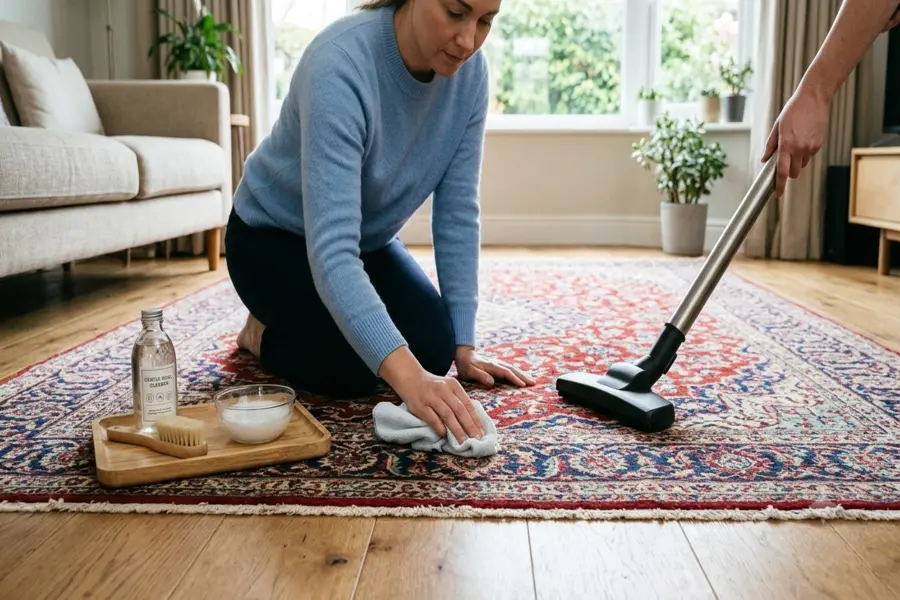
Key Takeaways
- Vacuum regularly to remove loose dirt and dust
- Blot spills promptly instead of rubbing the fibres
- Test cleaning products on a hidden area before use
- Avoid soaking wool rugs or exposing them to excessive heat
- Allow the rug to dry completely after cleaning
- Seek professional advice for delicate rugs and stubborn stains
Check the care label on your rug for specific cleaning instructions from the manufacturer. Depending on the wool pile, backing, dyes, and overall quality, different cleaning methods may be suitable, so understand how to clean your specific rug before applying any products. An old, handwoven, or delicate wool rug may require professional attention. Examine your rug for colour fading, loose threads, or backing damage before cleaning. If the material is unknown or care instructions are unavailable, seek professional advice before using water or a cleaning solution. For delicate rugs, carpet cleaning Toowoomba services may help you choose a suitable cleaning approach. Always test the cleaner on a small, hidden area first.
Prepare the Right Cleaning Supplies
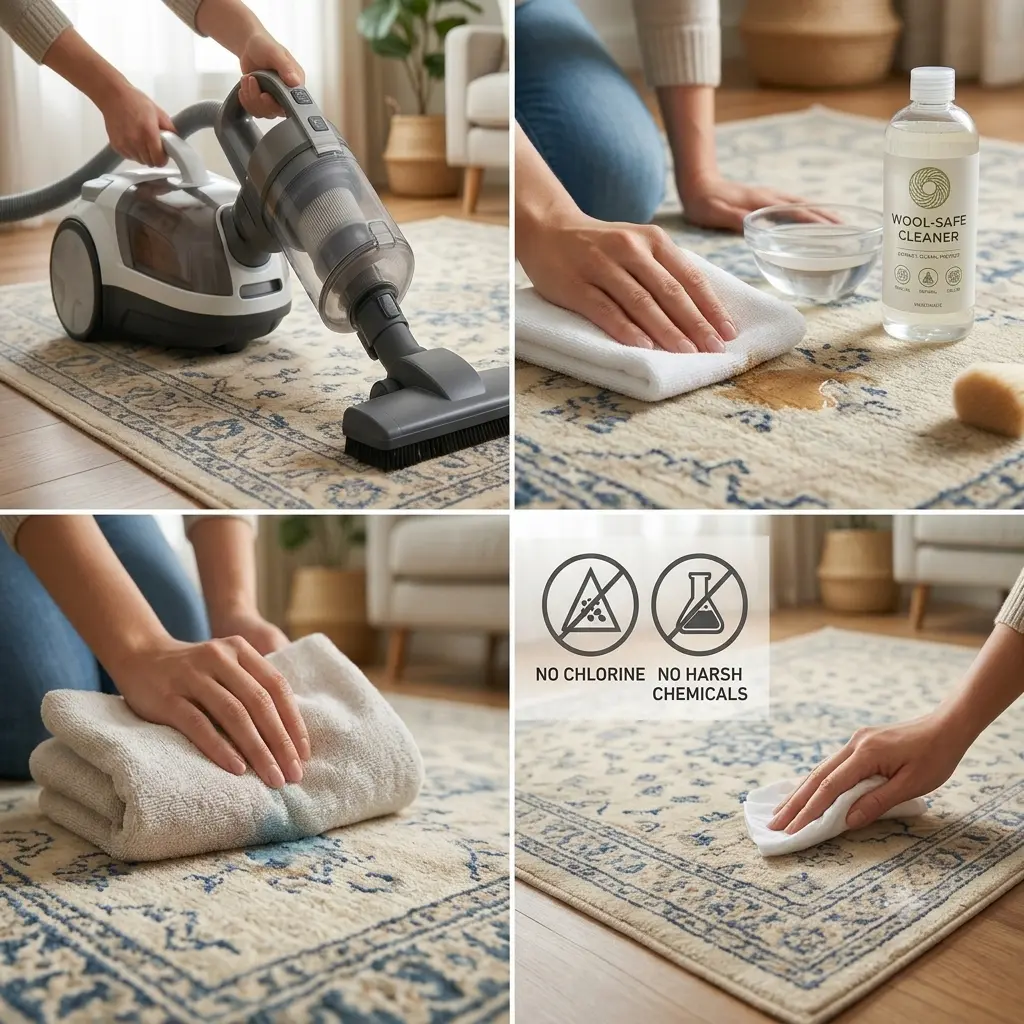
A wool rug can be cleaned using only a few simple items. A vacuum with a wool setting, white microfiber cloths and, if necessary, a soft-bristled brush. You will also need warm or cool water, a wool-safe cleaning solution and dry towels to absorb excess water. These soft tools can clean daily dirt and help with small stains without causing too much stress on the fibres. Do not use chlorine-based cleaners, strong stain removers, highly alkaline products or anything not approved by the rug’s manufacturer. Don’t ever mix cleaning agents, as this may lead to a surprise chemical reaction or some residue formation. For the best results, make sure you follow the instructions on the cleaner, as more product doesn’t always equate to better results.
Vacuum the Rug Regularly
Vacuuming is the quickest and easiest way to care for your wool rug is to vacuum. Regular vacuuming can remove dirt, dust and sand on the surface before it gets pushed deeper into the wool and abrades the surface of your rug. Pick up all the nasty stuff on the surface like crumbs, toys and more. Set the vacuum to the correct level for your rug and vacuum the entire piece slowly until you have absolutely nothing left to vacuum. Avoid using rotating brushes or beater bars if it is against the manufacturer’s recommendations. While once or twice a week is sufficient for most people, those with pets and high-traffic areas may need to vacuum more frequently.
Clean a Wool Rug Step by Step
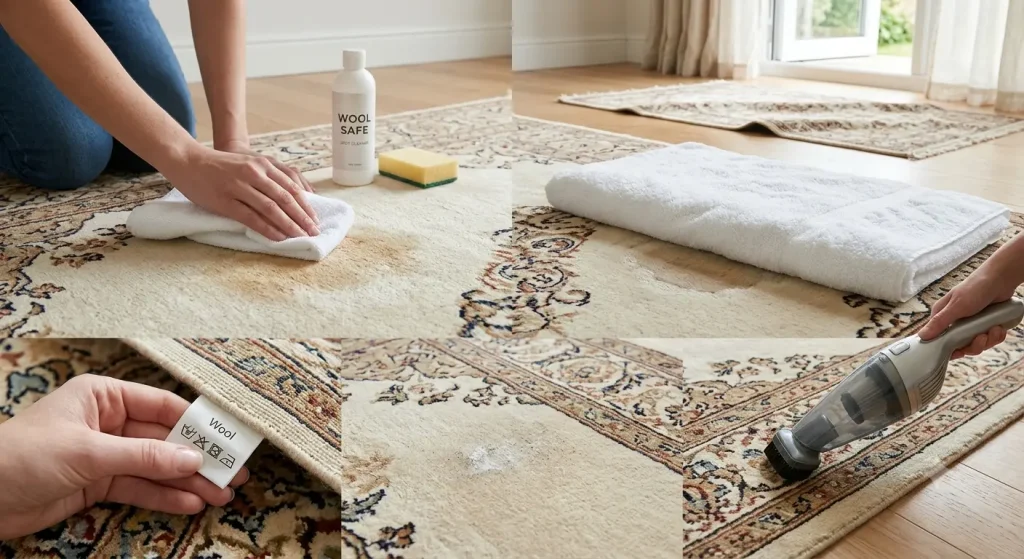
For dust and minor stains, check the care label to confirm whether your wool rug is washable. If permitted, vacuum the rug, test a wool-safe spot cleaner in an inconspicuous area, and follow the product instructions. Gently blot with a clean, damp cloth, avoiding excess water or rubbing the fibres. If rinsing is suitable, remove excess moisture with a clean towel and let the rug air-dry naturally in a well-ventilated room. For delicate, finely woven, heavily soiled, or stained rugs, professional cleaning is recommended. In Toowoomba, professional cleaners can help determine the most suitable cleaning method for your wool rug.
Treat Common Wool Rug Stains
Scrape up solids with the back of a spoon or a dull knife and soak up liquid spills with a clean white cloth, blottings. Treat coffee, tea or food stains with a suitable wool cleaner and let mud dry then brush off soil and vacuum. For animal stains, absorb any excess liquid and follow directions of an appropriate product. For stamping oil or grease stains blot don’t rub it into the fibers, avoid harsh cleaners, over-wet or use vigorous agitation this can damage the fabric more. If the stain persists, stop cleaning and get help from a professional.
Dry the Rug and Prevent Damage
Dry your wool carpet once you have extracted the liquid you want to let your wool carpet dry fully to prevent the growth of mould and mustiness. Press with dry towels to absorb the water, then lay the clean towels over the wet areas and press down to pull up as much liquid as you can. Allow drying by opening the windows or running the fan but do not expose the rug to heat or direct sunlight as this will dry the fibres and may cause the colours to run. If you find that your heavy rug is taking a long time to dry or it is really musty, have your professional dry cleaner look at it.
Avoid Common Cleaning Mistakes
To maintain the quality of your wool rug, don’t over wet it, scrub it too aggressively or allow it to come in contact with caustic detergents. Use a wool-specific cleaner and spot test in an inconspicuous area. Dab oil stains instead of rubbing, and avoid high heat. Clean spills immediately to minimize the risk of permanent stains. Vacuuming regularly can also help to remove dirt and grit. Put mats at the door and think about a shoes-off rule inside to limit what gets dragged back in. When possible avoid feeding and pets on the rug, rotate the rug occasionally for more even wear and if the rug’s current location will place it in a position of risk, move it.
DIY Cleaning or Professional Care?
Dusting the home dusting can be used for upkeep and small disasters, but only when the carpet cleaning instructions allow. Yet pricey, antique or fragile rugs, set-in stains, colour bleeding, heavy saturation and stubborn odours may need professional help. A trained cleaner will test rugs fibres and dyes, its weave and backing and this will dictate the suitable method. Inquire about their experience with wool rugs, if they do colour bleeding and what is their drying method. Let them know what you-used already, as multiple treatments can further damage the item.
Conclusion
Clean your wool rug daily and treat it with care to maintain its appearance and durability. Vacuum loose dirt and dust from the surface, taking care not to scratch or damage the pile. When a spill occurs, blot it with a clean cloth to absorb as much liquid as possible. Avoid rubbing or brushing the stain into the fibres. Never use bleach, hot water, or harsh scrubbing when cleaning wool. Regular maintenance and occasional professional deep cleaning can help your rug last for years. Similarly, knowing how to clean a couch that smells after a spill can help you tackle odours and prevent lingering smells in your home.
Frequently Asked Questions
1.Can I clean a wool rug with water?
A small amount of water may be suitable for spot cleaning if the manufacturer’s instructions allow it. Avoid soaking the rug, as excess moisture can affect the backing and increase drying time.
2. Is vinegar safe for wool rugs?
Vinegar is not automatically suitable for every wool rug. Its concentration and the rug’s dyes or finishes may affect the result. Check the manufacturer’s advice and choose a compatible cleaning product when appropriate.
3. How often should I vacuum a wool rug?
Vacuuming once or twice a week is a useful starting point for many households. Homes with pets, children or heavy foot traffic may need more frequent vacuuming to control dirt and grit.
4. How do I remove a bad smell from a wool rug?
Check whether the rug is damp and identify the likely source of the smell. Blot fresh spills and improve ventilation. If the odour persists, particularly after a pet accident or water exposure, seek professional cleaning advice.
Related Posts

The Best Way to Eliminate Pink Mould From Your Shower?
When was the last time you cleaned the pink mould from your shower? You even…

How to Clean a Couch That Smells After a Spill?
Key Takeaways If liquid spills accidentally, it may not be enough to simply clean the…

5 After Holiday Carpet Cleaning Mistakes You Need to Avoid
Rearranging, entertaining, hosting parties and crowds of people dull and soil your carpets after the holidays.…